
 By admin
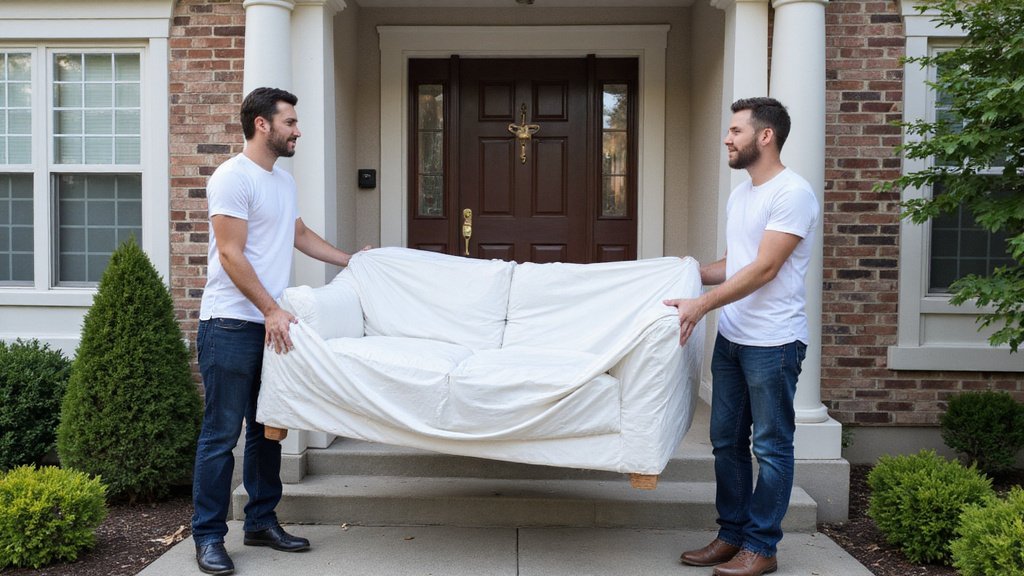
Moving to Raleigh involves more than packing boxes. Hot, humid afternoons, surprise thunderstorms, heavy spring pollen, apartment elevator reservations, and neighborhood parking rules can all throw a wrench into an otherwise well-packed move. The best way to keep move-in day on track is to plan around these on-the-ground constraints. This article covers the practical things that matter in Raleigh: curbside loading and elevators, packing smart for the weather, stair geometry in townhomes, and the timing that makes sense when you’re unloading a truck and putting together beds.
- Parking, Loading Zones, and Elevator Reservations
Before you load a single box, check out where a truck can legally stop near your new address. Check posted signs for time limits, fire lanes, and loading windows. If your building has a service entrance, check with the property manager about dock height, ceiling clearance, and whether elevator pads and corner guards are needed. Many places limit your moving hours and require a booking for the service elevator. Skip that step, and a single elevator ride becomes a series of stair carries. Bring floor runners for hallways, door jamb protectors for unloading, and a roll of caution tape to keep a safe path clear if the lobby is busy.
If you’re sharing the elevator with the whole building, try to schedule a mid-morning slot before lunch deliveries start. You must have written approval for curbside loading. Place cones only in designated areas. Cones must not block sightlines or hydrants. If you prefer a crew that already knows how to secure a Certificate of Insurance, pad an elevator cab, and stage a safe load and unload, a seasoned Raleigh moving company can coordinate those building details while you manage keys and utilities.
- Humidity, Pollen, and Summer Thunderstorms: Packing That Survives Raleigh Weather
Raleigh’s humid subtropical climate takes a toll on tape, cardboard, and bare fabric. Adhesive bonds weaken in warm months, and cardboard seams can sag when they absorb moisture. Add an extra layer of tape to the bottom of each box and add stretch wrap to keep seams tight. If you use mattress bags, make sure they have vent holes so condensation doesn’t get trapped. Put silica gel packets in electronics boxes, and pack upright in plastic totes, which don’t sag as easily in a drizzle as untreated cardboard. To keep rain from soaking into wood furniture, wrap it in moving blankets and seal it with a layer of shrink wrap.
Secondly, pollen is a problem in spring. Gritty dust and yellow strands fall on sidewalks and railings and then transfer to upholstery during long carries. Wrap sofas and chairs before they leave the apartment, not on the curb. Lay floor runners from the door to your staging room at the new place and put a large doormat at the threshold. Before removing shrink wrap, wipe pollen from hard surfaces with a slightly damp microfiber cloth. For rugs, unroll them indoors and vacuum both sides so pollen won’t embed itself in the fibers the first time you walk over them.
- Stairs, Townhome Turns, and Doorway Fit: Measure Before Move Day
Many townhomes and older homes in Raleigh have switchback staircases with tight landings. The sofa can get stuck on the turn even if it fits through the doorway. Measure the narrowest stair width, the height to the lowest overhang, and the landing’s clear depth. Compare those numbers to the item’s diagonal depth and height, not just its width. Break it down when you can: remove sofa legs, detach sectional connectors, and take apart bed frames and dining tables. Shoulder dollies and forearm lifting straps are low, maneuverable, and light for their weight. A 4-whe4-wheel and ratchet straps steady tall dressers on level runs.
Picture a narrow two-story townhome with a square landing. You will not get a 338-inch-deep sectional to swing around the post without removing the feet and popping off one corner piece. Wrap banisters with padding. Tape corner guards on to protect the paint. It’s a balancing act: a fast breakdown takes time up front, but it usually beats a risky hoist over a balcony, which often requires building approval, more crew members, and extra safety gear. If you’re not sure, have your disassembly tools ready so that you don’t lose momentum when you open the truck.
- Weekday vs. Weekend Moves in Raleigh: Timing That Minimizes Friction
Weekend moves sound convenient, but service elevators and loading zones are often booked solid by late morning. Weekdays may mean less elevator traffic and easier curb access, but you’ll need to avoid commuter peaks on major arteries. In summer, factor in heat and pop-up storms: Load in the morning to keep labor safer and boxes drier, and unload in the afternoon when you can protect with a canopy, towels, and extra shrink wrap. If you’re in an HOA neighborhood, check the quiet hours and any restrictions on trucks, cones, or temporary parking. It’s easy to lose track of time in a conversation you didn’t mean to have and thereby miss a posted rule.
Create a schedule that stacks the odds in your favor: Have keys in hand the day before, reserve the elevator mid-morning, and build in a 30-minute buffer to stage the first load near the door. Assign a first-floor staging room where boxes can land if it starts raining. Keep a bin nearby with box cutters, extra tape, furniture pads, booties, and plastic sheeting. If storms are on the horizon, shrink-wrap items at the truck, cover the dolly with sheeting, and switch to plastic totes for anything small and moisture-sensitive until the weather clears.
What a Raleigh moving company typically coordinates with buildings
Most apartment and condo managers require a Certificate of Insurance listing the building as an additional insured on move day. They may also want elevator cab padding, floor protection, and a confirmed time window. Ask your property manager in writing about move policies, a sample COI, loading dock information, and a diagram of the path of travel from the truck to your door. Check ceiling and garage-door height restrictions that might affect a box truck. Also, research where a truck can legally idle. These details determine crew size, the gear needed, and how long a carry will really take from curb to unit.
If you’re hiring professionals, make sure they’ll bring door jamb protectors, neoprene or fabric floor runners, and plenty of moving blankets to pad every wood surface. Ask about their rain plan, who calls the property manager if timing changes, and if they inventory items as they leave the truck so nothing is left behind in a lobby. For DIY moves, follow that structure: one person watching pathways and the elevator clock, while others move between the truck and staging room to keep the flow going.
Raleigh’s move-in day rewards those who plan for real-world constraints. * Reserve a legal curb space or dock slot * Pack for humidity and brief showers * Measure tricky turns before you load * Select a time window that avoids crowded elevators and peak traffic. Whether you move with friends or a crew, writing these details down a week in advance is a quiet advantage that gets your bed assembled, your electronics dried out, and your first night in the new place off to a calm start.