
 By admin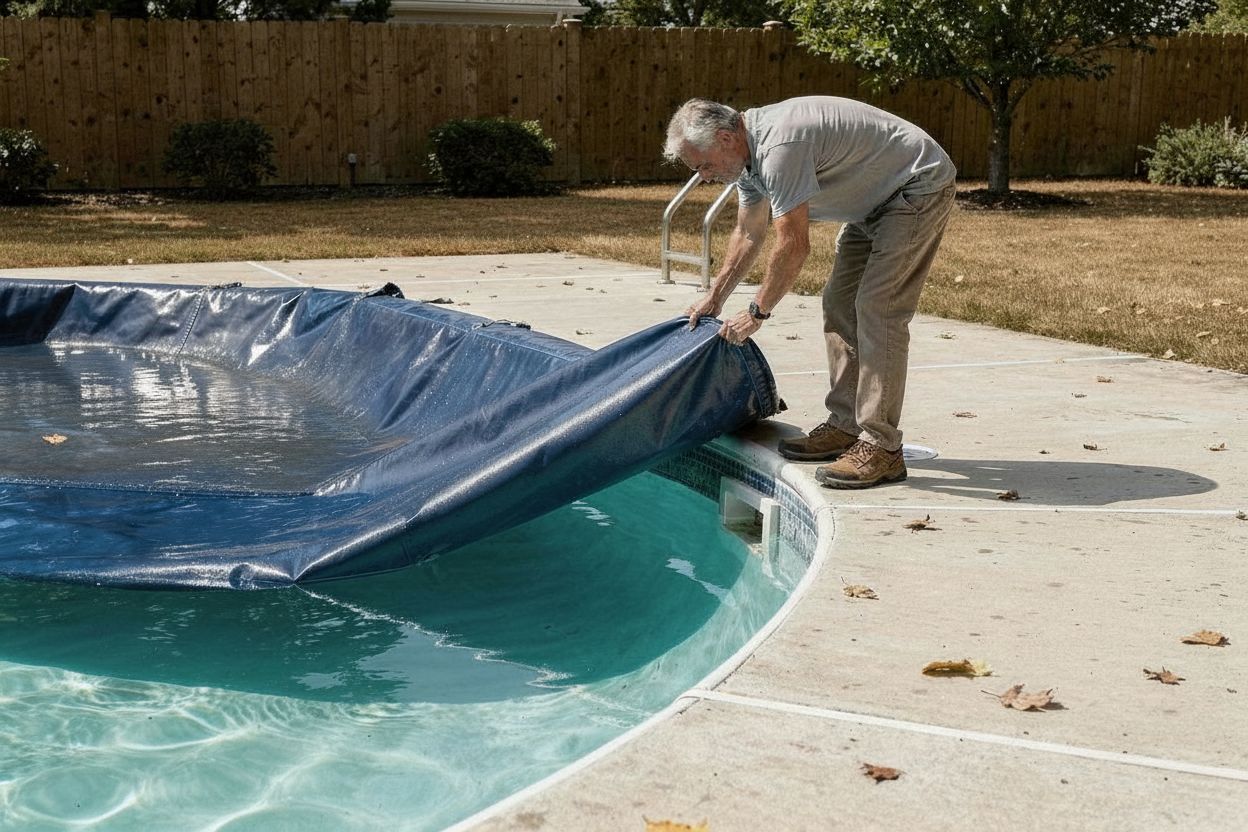
When the days start getting longer and the temperature begins to rise, that’s your cue—it’s time to wake up your swimming pool from winter hibernation. If you’ve kept it covered and dormant through the cold months, a proper pool opening ensures clean, safe water and efficient performance all season long. Whether you’re a seasoned pool owner or doing this for the first time, this guide breaks down exactly what to do first to bring your pool back to sparkling life.
Step 1: Uncover and Inspect the Pool Area
Start by clearing away leaves, debris, and dirt that have accumulated around your pool cover and deck. This prevents any unwanted material from slipping into the water once the cover comes off. Use a leaf blower or soft broom to make quick work of this step.
Next, carefully remove the winter cover. If water has pooled on top, use a pool cover pump to remove it before pulling the cover away. As you fold and rinse the cover, check for rips or signs of wear. Allow it to dry completely before storing it in a cool, dry place to prevent mildew.
This is also a great time to inspect the pool’s perimeter—look for cracks, tile damage, or shifting coping stones. Addressing small issues early saves money before they turn into expensive repairs later.
Step 2: Reinstall and Check All Pool Equipment
Once the pool is uncovered, it’s time to wake up your equipment. Reattach ladders, rails, skimmer baskets, and return jets. Then reconnect the plumbing lines, ensuring each fitting is secure and leak-free.
Inspect your filter, heater, chlorinator, and especially your pool pump. Check for visible cracks, worn O-rings, or corrosion. If any equipment looks worse for wear, now’s the time to upgrade—your pool pump, in particular, is the heart of your system. A high-efficiency option, like a Hayward pool pump from Vita Pool Supply, can make a noticeable difference in performance, lifespan, and energy savings.
Step 3: Refill the Water and Check the Water Level
During winter, most pools lose water due to evaporation and minor leaks. Before starting your system, bring the water level back to its normal operating range—typically halfway up the skimmer opening. Use a garden hose and let the pool fill slowly. Keep an eye out for bubbling or hissing once you turn the pump on; these are signs that air may be trapped in your lines. Bleed the air from the system before continuing to avoid inefficient circulation.
Step 4: Power Up the Filtration System
Once the pool is full, prime the pump and start circulating the water. Let it run for at least 24 hours to mix any remaining chemicals and filter out debris that may have entered during uncovering. While the system runs, watch for leaks and unusual noises—these often signal valve misalignment or loose fittings. At this point, avoid diving or swimming. The water still needs to be balanced and sanitized before it’s safe to drink.
Step 5: Test and Balance the Water Chemistry
Proper chemistry is what keeps your pool clean, clear, and safe for swimming. Start by testing your pool’s pH, alkalinity, and chlorine levels with a reliable test kit.
Here’s a quick guide to ideal levels during opening:
- pH: 7.4 – 7.6
- Total Alkalinity: 80 – 120 ppm
- Calcium Hardness: 200 – 400 ppm
- Free Chlorine: 1 – 3 ppm
If your pH or alkalinity is off, correct those first—they influence how effectively chlorine works. Once balanced, shock the pool with chlorine-based shock to kill lingering bacteria or algae spores that survived the winter.
Step 6: Brush, Vacuum, and Skim
After your shock treatment, it’s time to give your pool some physical attention. Brush down the walls, steps, and floor to loosen any algae or dirt, even if the water looks clear. Then vacuum the bottom to remove debris. Finally, skim the surface to collect floating leaves and pollen.
Run the filtration system continuously for at least 24 hours, then repeat the cleaning process. Within a day or two, your water should begin to sparkle.
Step 7: Recheck Everything After 48 Hours
After a full circulation and cleaning cycle, retest the water chemistry. Adjust anything slightly off, and check again that the pump, heater, and filter are running properly. Many pool owners make the mistake of assuming things are “set and forget” after opening day—but regular checks early in the season prevent harder-to-solve issues later.
Extra Tip: Schedule Preventive Maintenance
Think of your pool like a car—it operates best with a seasonal tune-up. Schedule a professional inspection at least once per year. Technicians can test for hidden leaks, inspect internal pump components, and ensure your heating and sanitation systems are efficient.
By following these steps, you’ll transition your pool safely from winter dormancy to crystal-clear readiness. Each phase builds upon the last: cleaning, refilling, balancing, and maintaining. Once done, you’ll enjoy weeks of stress-free swimming—without surprise repairs or cloudy water.
If you maintain your pool every week after opening, you’ll notice less algae growth, clearer water, and fewer chemical imbalances. A well-woken pool is a happy pool—and your summer guests will thank you for it.